Wireless can be exposed
Over-air systems can be jammed, detected, congested, degraded by terrain, or limited by line of sight.
Wireless is fast but exposed; ground deployment is reliable but slow. FiberMesh is a third option — physical connectivity deployed, monitored, and restored at field speed.
Over-air systems can be jammed, detected, congested, degraded by terrain, or limited by line of sight.
Satellite and wireless can help, but they do not always provide the local physical layer a team needs.
Traditional cable and fiber are reliable once installed, but slow, manual, and dangerous to deploy or repair in the field.
“…an essentially unlimited network of fiber-optic communication connections… arranged in a complex grid-like matrix allowing for the direct connection of multiple UAV launch pads… the network needs to be set up immediately.”
And the requirement is already institutional:
“Self-configuring and autonomously deployable mesh networking technologies that provide resilient communications without reliance on fixed infrastructure.”
The animation above is where we're heading: drones that deploy, connect and restore the network with no one in the loop. Today, deployments are operator-assisted. Here's how they work now, and what changes next.
Select the origin, endpoints, and the operators who complete the connection at each node.
Next: positions only — no receivers needed.
Drones carry or lay prepared fiber segments along mission-defined routes between nodes.
The receiving operator connects via optical or Cat6. FiberMesh validates continuity, link state and readiness.
Next: the Auto-connector makes the connection itself.
The system monitors the mesh, localizes faults, and supports replacement routes, backup legs or new nodes.
Next: drones re-lay a cut link automatically.
FiberMesh runs on a small, purpose-built node family — an aggregation hub and an edge leaf. Both are fanless, use no RF in normal operation, run on hot-swap batteries, and are man-portable. In low-power standby a node can hold the mesh for days unattended — long enough to carry persistent sensor or camera nodes.
The network core — aggregates multiple links and carries backbone traffic between positions.
The edge node — connects an endpoint, sensor, or camera into the mesh. Lighter and smaller than the hub.
FiberMesh is for teams that need reliable local connectivity when existing infrastructure cannot be trusted, accessed, or restored quickly.

Hard-linked field connectivity where exposed over-air systems, damaged infrastructure, and operational pressure create risk.
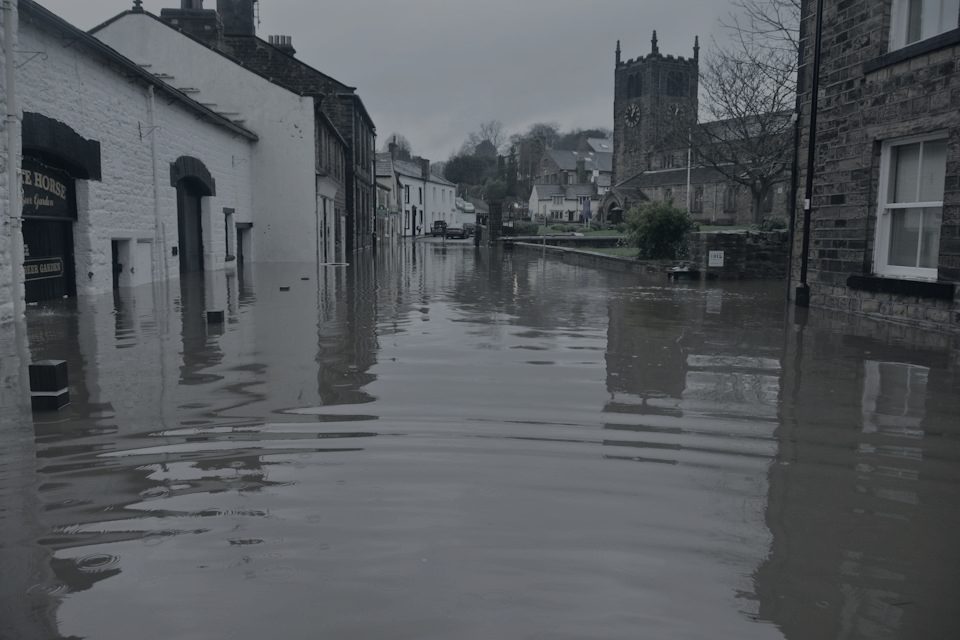
Rapid local network links for earthquakes, floods, storms, fires, disrupted cities, and temporary response coordination.
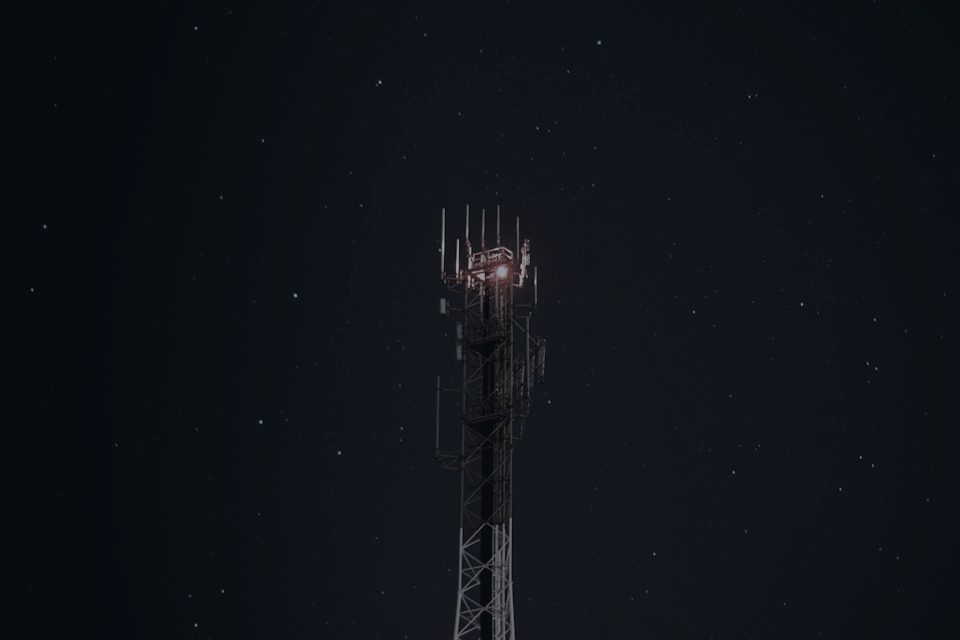
Deployable communications support when public networks are unavailable, congested, or degraded.
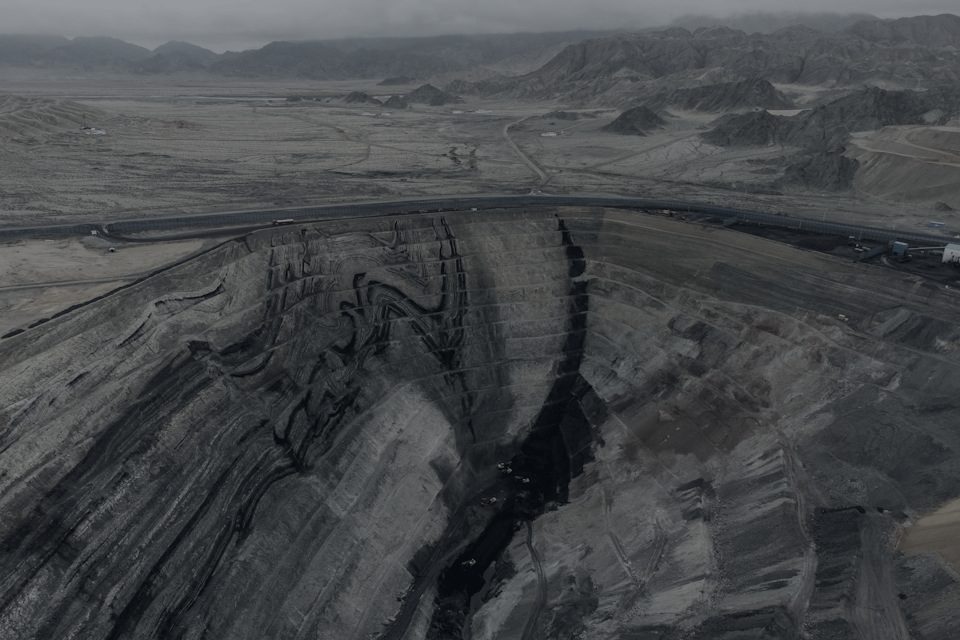
Physical links for mines, energy sites, border areas, forests, research stations, and remote industrial work zones.
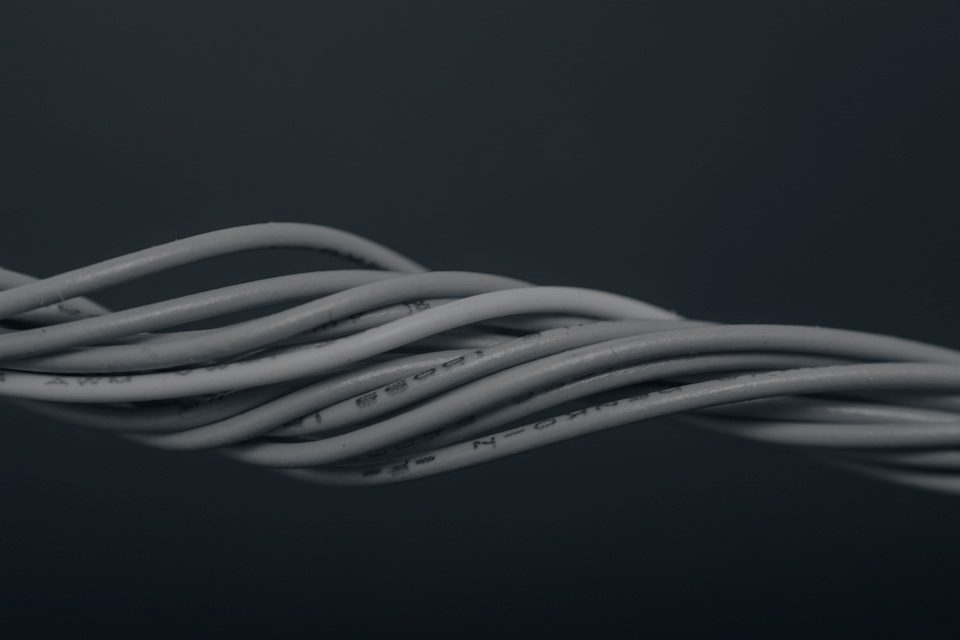
Replacement physical links when an existing connection is damaged and manual cable crews are too slow or exposed.
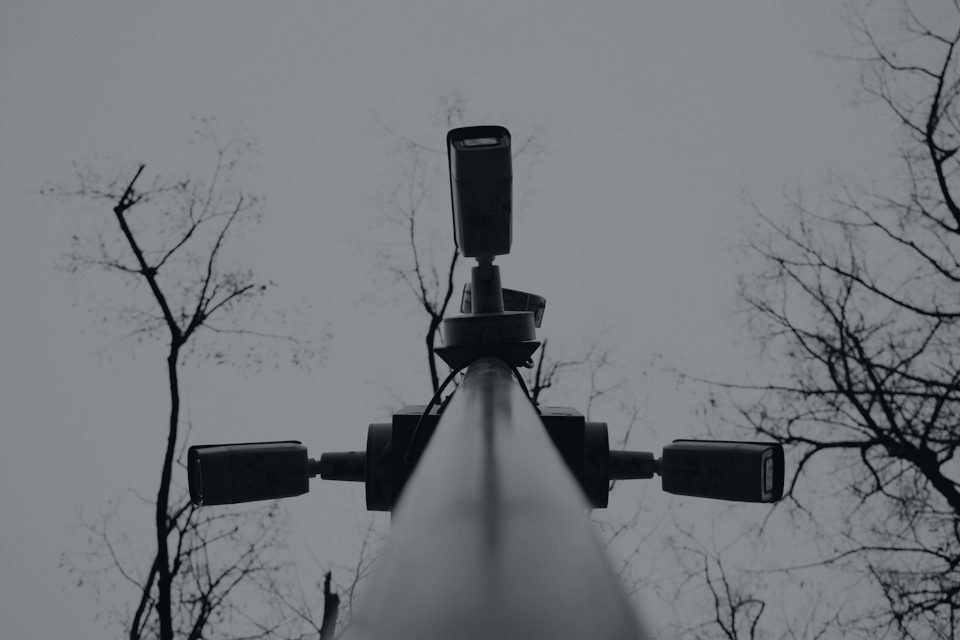
Local hard-linked connectivity for cameras, sensors, edge gateways, compute boxes, command posts, and field nodes.
For partnerships, technical discussions, pilots, field validation, or early collaboration.